Duke B60 vs P68C
The Duke B60 leads, topping 4 of 7 compared metrics.
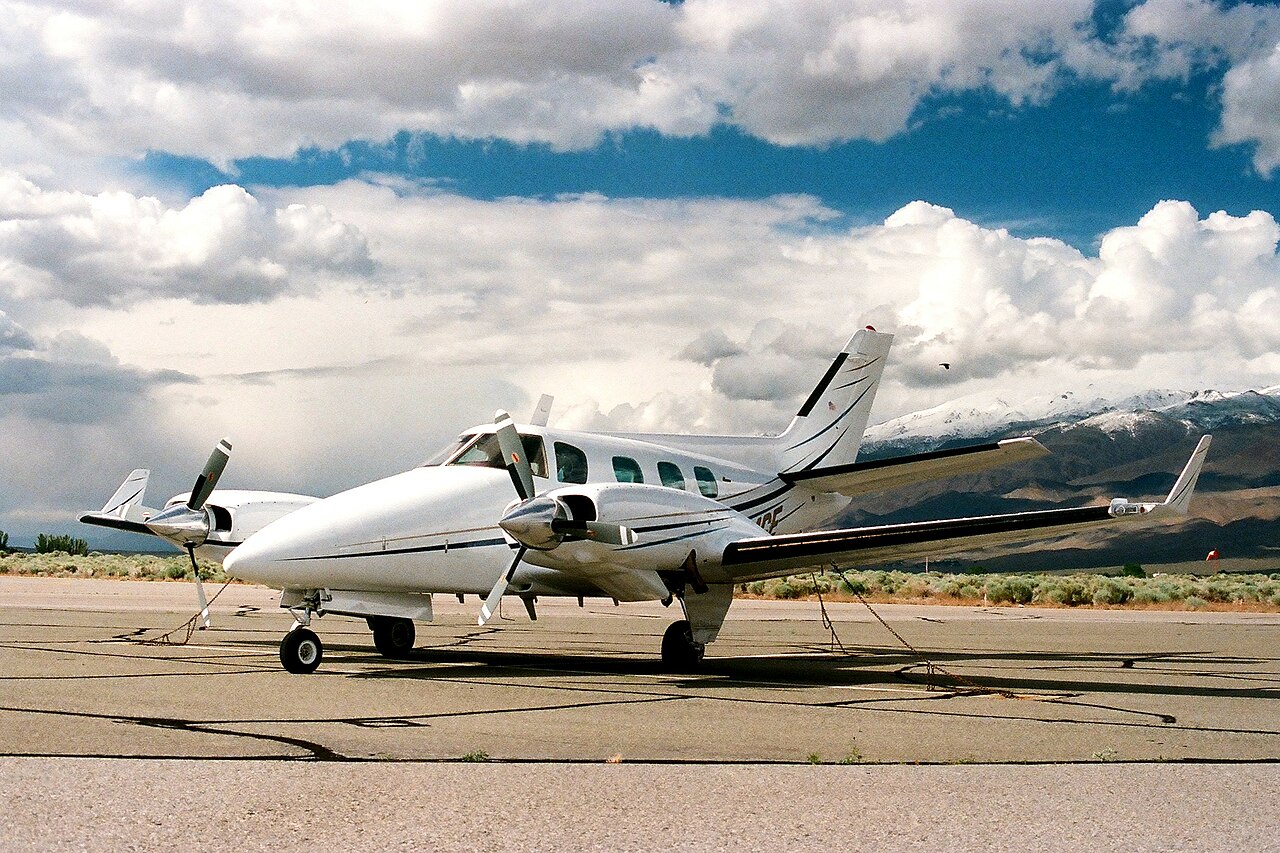
Cross-shopping the Beechcraft / Textron Aviation Duke B60 (introduced 1974) against the Vulcanair P68C (introduced 1970) is a common decision, and the two sit closer on paper than the badges suggest. Both are piston twins, which makes them natural cross-shopping rivals. On paper they are closely matched, so the decision usually turns on cabin, economics and availability. We line the numbers up below, then translate them into the mission each aircraft actually wins.

6 more specs per aircraft — ceiling, climb, cabin, dimensions and more — are free with an account.
Duke B60 vs P68C: the key differences
- The P68C delivers 6% more range (Duke B60: 1,080 nm; P68C: 1,140 nm).
- The Duke B60 delivers 42% more cruise speed (Duke B60: 220 kt; P68C: 155 kt).
- The Duke B60 and P68C are evenly matched on passenger capacity, both at 6 seats.
- The Duke B60 is the newer design (introduced 1974 versus 1970 for the P68C), a gap of 4 years that usually shows up in avionics, cabin systems and fuel burn.
- The Duke B60 is the larger aircraft by maximum takeoff weight (6,775 lbs versus 4,594 lbs), which typically buys more cabin and payload at the cost of higher trip economics.
Which mission suits which aircraft
Both aircraft are built for regional and short-to-medium legs, so outright range rarely separates them — the call leans on cabin (the Duke B60 seats more), trip economics and what is actually available on the market. Match the airframe to how you fly most weeks, not to the headline range figure.
Which should you choose?
Choose the P68C when nonstop range is the deciding factor, and the Duke B60 when cabin capacity and payload matter more; the Duke B60 holds the cruise-speed edge. The right answer ultimately depends on acquisition cost, maintenance-program status, and what is actually available on the market — talk to our acquisition advisory team to pressure-test the choice against your missions and budget.
More comparisons
Duke B60 vs P68C: FAQs
Which has the longer range, the Duke B60 or the P68C?
The P68C has the longer published range — 1,140 nm versus 1,080 nm for the Duke B60.
Which is faster, the Duke B60 or the P68C?
The Duke B60 cruises faster, at 220 kt versus 155 kt for the P68C.
Which is newer, the Duke B60 or the P68C?
The Duke B60 is the newer design, introduced in 1974 versus 1970 for the P68C.
Is the Duke B60 or the P68C the larger aircraft?
By maximum takeoff weight the Duke B60 is the larger aircraft — 6,775 lbs versus 4,594 lbs for the P68C.
Should I buy the Duke B60 or the P68C?
Choose the P68C when nonstop range is the deciding factor, and the Duke B60 when cabin capacity and payload matter more; the Duke B60 holds the cruise-speed edge. The right answer ultimately depends on acquisition cost, maintenance-program status, and what is actually available on the market — talk to our acquisition advisory team to pressure-test the choice against your missions and budget.
Still weighing up the Duke B60 vs P68C?
Specs only take you so far. Our advisors give an independent recommendation based on your mission, budget and how you actually fly — and represent your side through to purchase.